![[Register NOW] 2 March 2023 - Tech Talk | Innovation in MRI: Back to the Future?](https://www.engineering.hku.hk/bmeengg/wp-content/plugins/ultimate-responsive-image-slider/css/images/blank.gif)
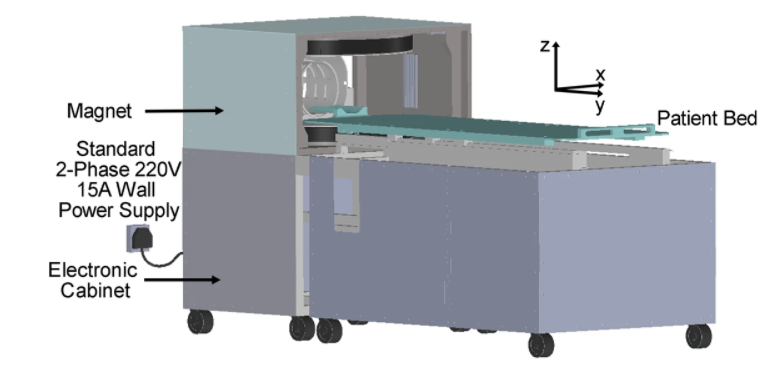
[Register NOW] 2 March 2023 - Tech Talk | Innovation in MRI: Back to the Future?
https://innowings.engg.hku.hk/innovation-in-mri/
PhD & MPhil Virtual Information Week 2022 (24-28 Oct) *(Faculty of Engineering session on 25 Oct)
https://gradsch.hku.hk/news_and_events/phd-mphil-virtual-information-week-2022
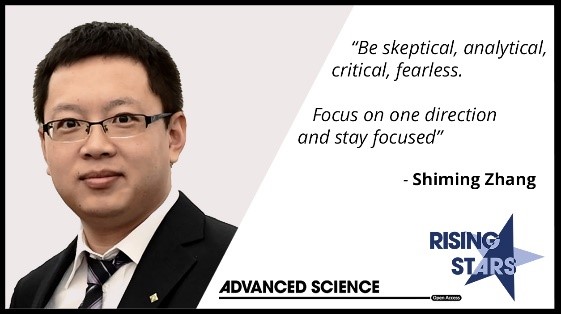
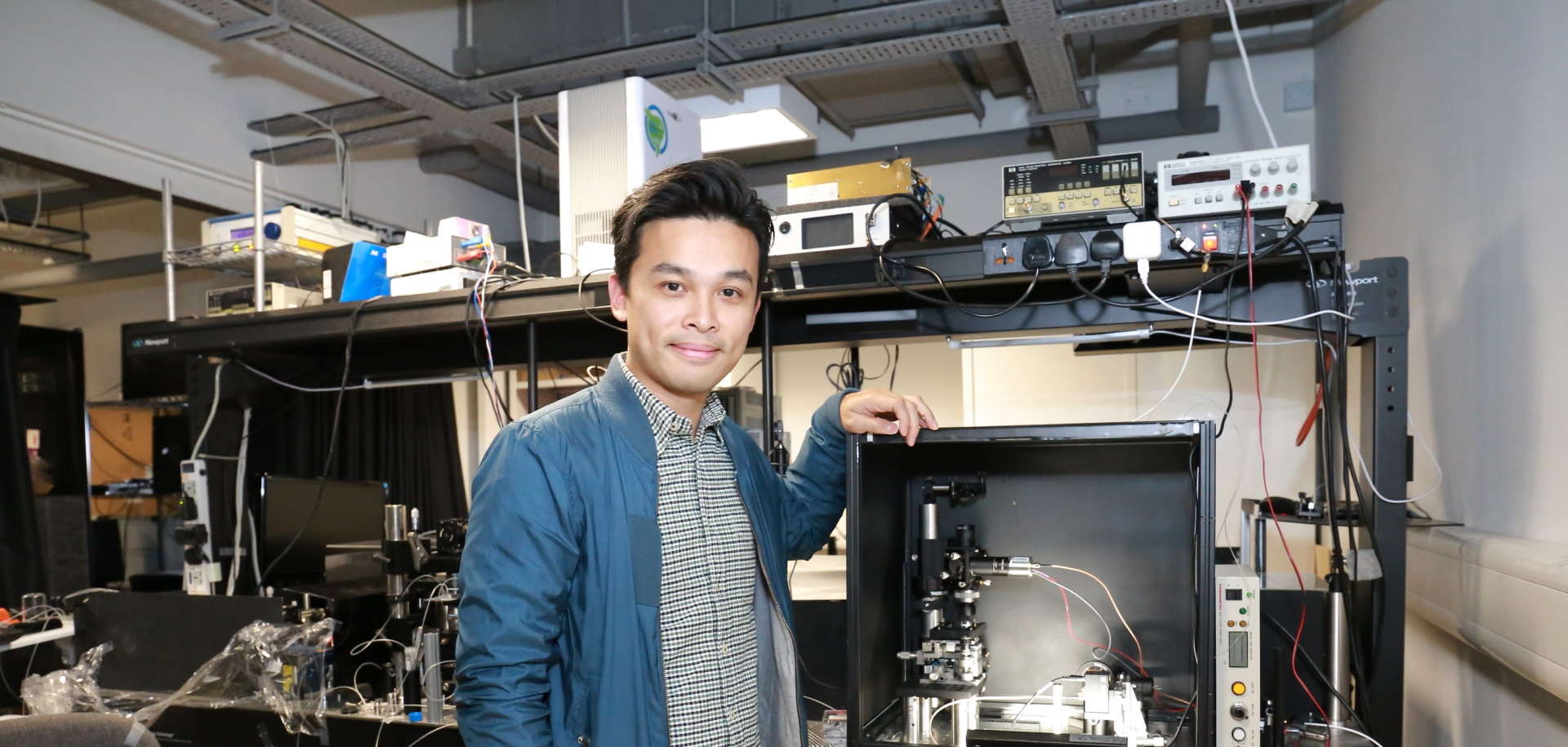
Dr. Shiming Zhang Honored with ‘Rising Star’ of Bioelectronics
https://www.engineering.hku.hk/bmeengg/2022/08/24/dr-shiming-zhang-honored-with-rising-star-of-bioelectronics/
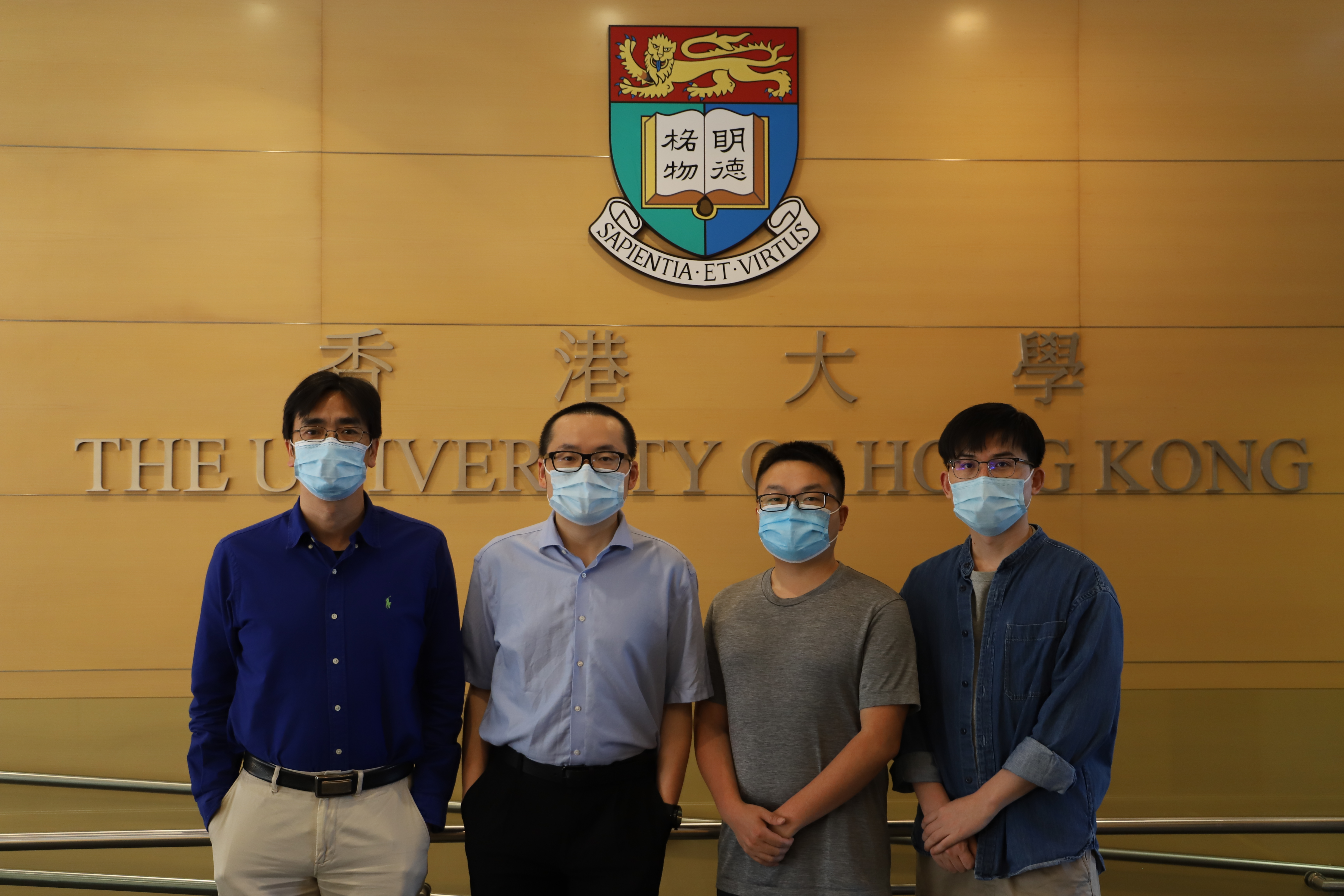
A novel photonic chipscope for label-free monitoring of live cell activities
https://www.engineering.hku.hk/bmeengg/2022/04/19/hku-engineering-team-develops-a-novel-photonic-chipscope-for-label-free-monitoring-of-live-cell-activities/
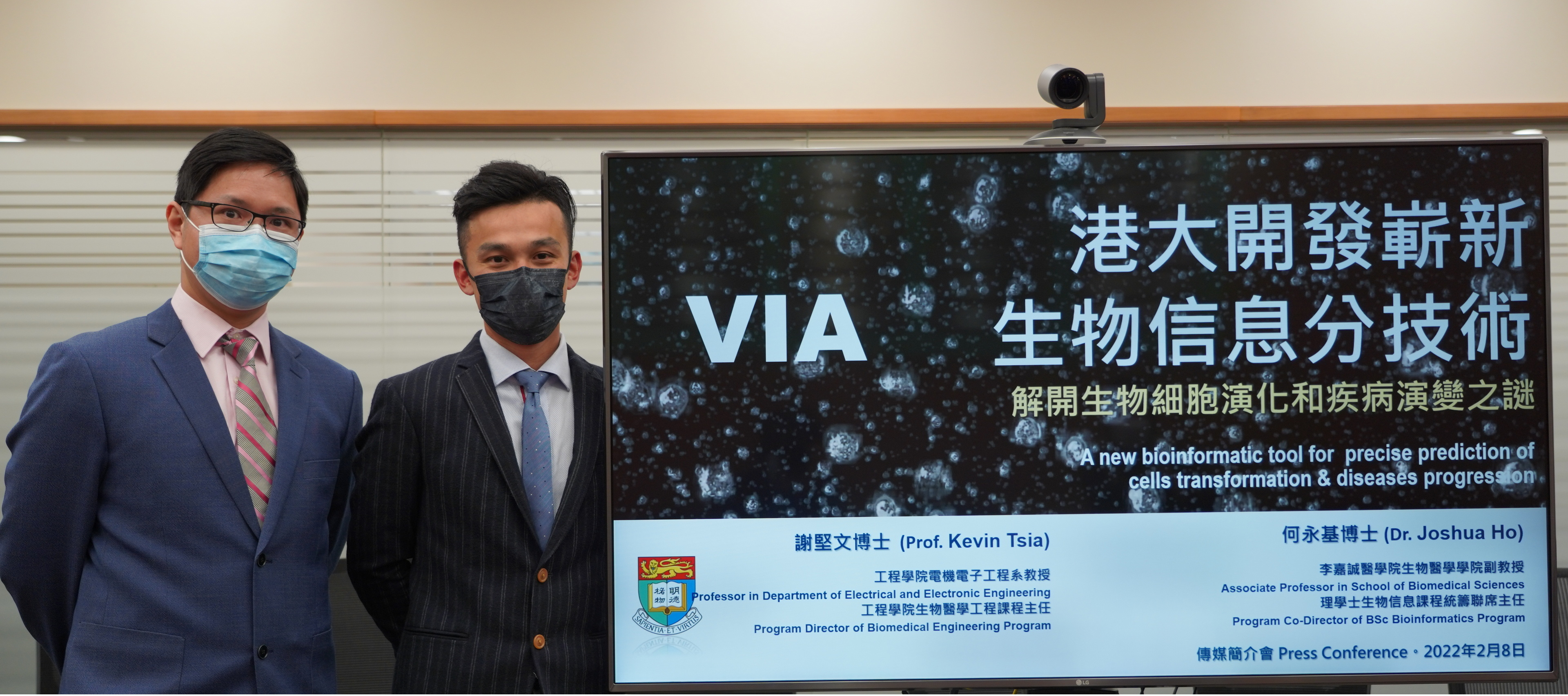
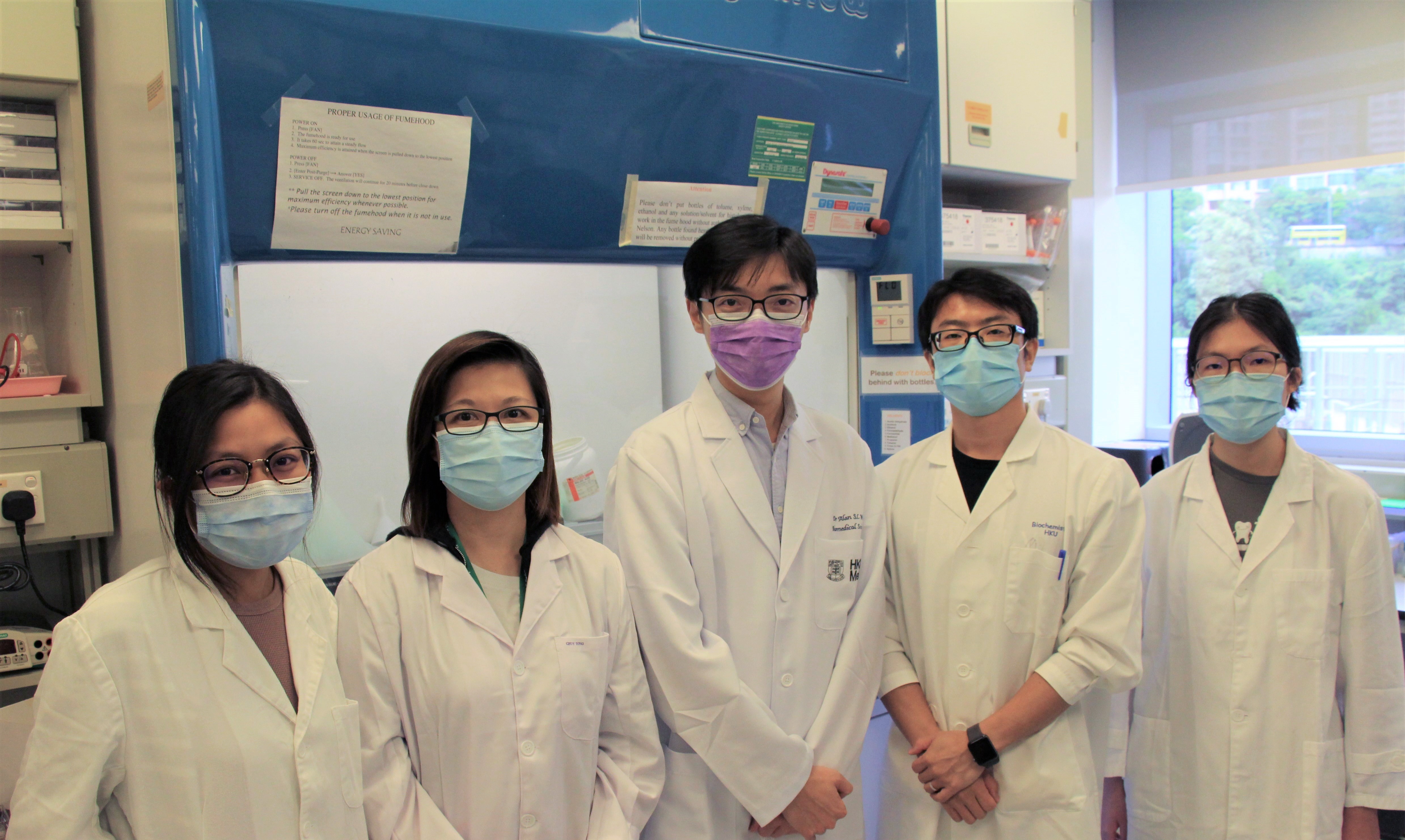
HKU biomedical engineering team develops a new bioinformatic tool for precise prediction of cells
https://www.engineering.hku.hk/bmeengg/2022/02/10/hku-biomedical-engineering-team-develops-a-new-bioinformatic-tool-for-precise-prediction-of-cells-transformation-and-diseases-formation-including-cancers/
HKU Electrical and Electronic Engineering researchers make MRI technology accessible to large popula
https://www.engineering.hku.hk/bmeengg/2022/02/10/press-invitations-topical-issues-back-to-media-home-back-hku-electrical-and-electronic-engineering-researchers-make-mri-technology-accessible-to-large-populations-worldwide/
Joint Ophthalmology and Vision Science Research Program for MBBS and BME Students 2021
https://www.engineering.hku.hk/bmeengg/2021/08/25/mbbs-bme-joint-research-programme-2021-2022/
Information for BME freshmen
https://www.engineering.hku.hk/bmeengg/curriculum/for_freshmen/
Mechanical Engineering scholar breakthrough research in cell mechanics by Dr. Lin Yuan
https://www.engineering.hku.hk/bmeengg/2021/08/11/mechanical-engineering-scholar-breakthrough-research-in-cell-mechanics-by-dr-lin-yuan/
Significant breakthrough in neuroimaging
https://www.engineering.hku.hk/bmeengg/2020/04/09/hku-biomedical-engineers-achieve-significant-breakthrough-in-neuroimaging-with-novel-high-speed-microscope-to-capture-brain-neuroactivities/
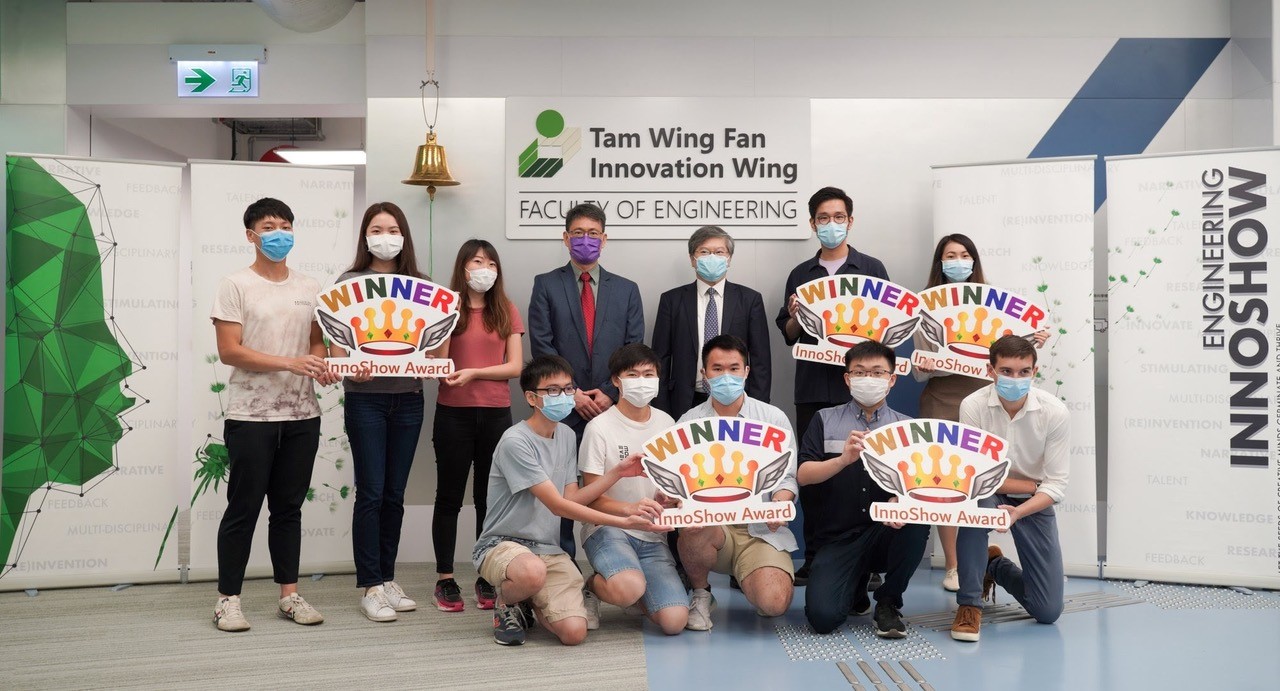
Students’ participation and award in recent InnoShow
https://www.engineering.hku.hk/bmeengg/2021/05/18/students-participation-and-award-in-recent-innoshow/
China’s Excellent Young Scientists Fund 2020
https://www.engineering.hku.hk/bmeengg/2020/09/21/chinas-excellent-young-scientists-fund-2020/
New genetic engineering tools for better therapy
https://www.engineering.hku.hk/bmeengg/2020/08/13/new-genetic-engineering-tools-for-better-therapy/
Professor Anderson Shum awarded China’s Excellent Young Scientists Fund 2019
https://www.engineering.hku.hk/bmeengg/2019/10/28/professor-anderson-shum-awarded-chinas-excellent-young-scientists-fund-2019/
Visit to Hong Kong Science Park
https://www.engineering.hku.hk/bmeengg/2019/11/01/visit-to-hong-kong-science-park/

![[Register NOW] 2 March 2023 - Tech Talk | Innovation in MRI: Back to the Future?](https://www.engineering.hku.hk/bmeengg/wp-content/uploads/2023/02/2-March-2023-TechTalk_Promo.png)